
Migraine Awareness Week

What is a migraine?Migraine is a complex long term health condition that affects 1 in 7 people, making it the third most common condition in the world. This makes them extremely common, they can last between four hours and three days or longer. |  |
However, between migraine attacks most people do not suffer from any symptoms. Migraine attacks are often mistaken for headaches, but can be a whole-body experience that can make it difficult to function normally. Migraine is a common and complex inherited neurological disorder of sensory processing. | |
Why do we need to raise awareness?
Migraine has a huge impact on all aspects of your life, from relationships to work and education. They can also have a negative effect on your mental health and in some cases, migraine is counted as a disability. Migraine is a widespread and common condition, however, 65% of people with migraine say they feel that people don't believe them. It is therefore important to raise awareness of migraine so people are more knowledgeable Migraine awareness week. This year's theme is 'Believe me', as a significant number of people who are diagnosed with migraine say people do not believe them when they say they have a migraine, meaning they often cannot access the help they need.
The main types of migraine:
Episodic migraine is when you have a headache and migraine symptoms less than 15 days a month
Chronic migraine is when you have a headache for at least 15 days a month and migraine symptoms for at least 8 and this lasts for more than three months.
The most common symptoms of a migraine are:
Moderate or severe headache
Being sensitive to light, sound and smells
Feeling nauseous and vomiting
The headache associated with migraine is often described as a throbbing pain, which is often focused on one side of your head and gets worse when you move your head. However, there are so many different and unique symptoms that everyone will have their own specific set of symptoms.
Stages of migraine:
Migraine attacks usually come in stages and different symptoms come in each of the different stages. Without medication, they can look like:
Prodrome
Irritability
Depression
Fatigue
Aura
Visual disturbances
Numbness or tingling
Headache
Throbbing
Drilling
Dizziness
Insomnia
Sensitivity to environmental factors
Postdrome
Inability to concentrate
Fatigue
Grogginess
Migraine with aura.

1 in 3 people who experience migraine also experience auras as part of their migraine attack. An aura is a set of neurological symptoms that include problems with
speech, sight and sensations. The most common symptoms relating to your sight are:
Blind spots
Blurred vision
Seeing flashing or flickering patterns
Seeing coloured spots or lines.
Who suffers from migraine?
Anyone can suffer from migraines and they can start at any age. Migraines are most common between people of age of 25 and 55, but children can also suffer from them, often starting during puberty. Although both men and women can suffer from migraines, women are 2 to 3 times more likely to suffer from migraines.
What causes a migraine?
Migraine is a genetic condition, people who suffer from migraine have a change in their DNA which makes their brain hyperexcitable. These hyperexcitable brain networks can react abnormally to different things such as light, smells, noise, hormonal changes and more. An attack starts when the nerves become over-stimulated. This leads to a series of changes in your brain involving: nerve, chemical, and blood vessel changes.
Treatment for migraines:
Although there is currently no cure for migraines, there are ways to manage them. There are two main types of management for migraine: acute medicines such as painkillers and other specific drugs, which help reduce or stop the symptoms of a migraine attack. Secondly, preventive medicines can reduce how often you get migraine attacks and the severity of them. Other non-drug treatments include: acupuncture, migraine devices, supplements and therapies.
Reviewing lifestyle factors or triggers that may contribute to your migraine attacks can help in managing them. Some people find it helpful to keep a tracking diary for tracking your migraines, headaches, symptoms, and when those symptoms started. This allows you to visualise if there is a pattern to your migraines.
How to raise awareness: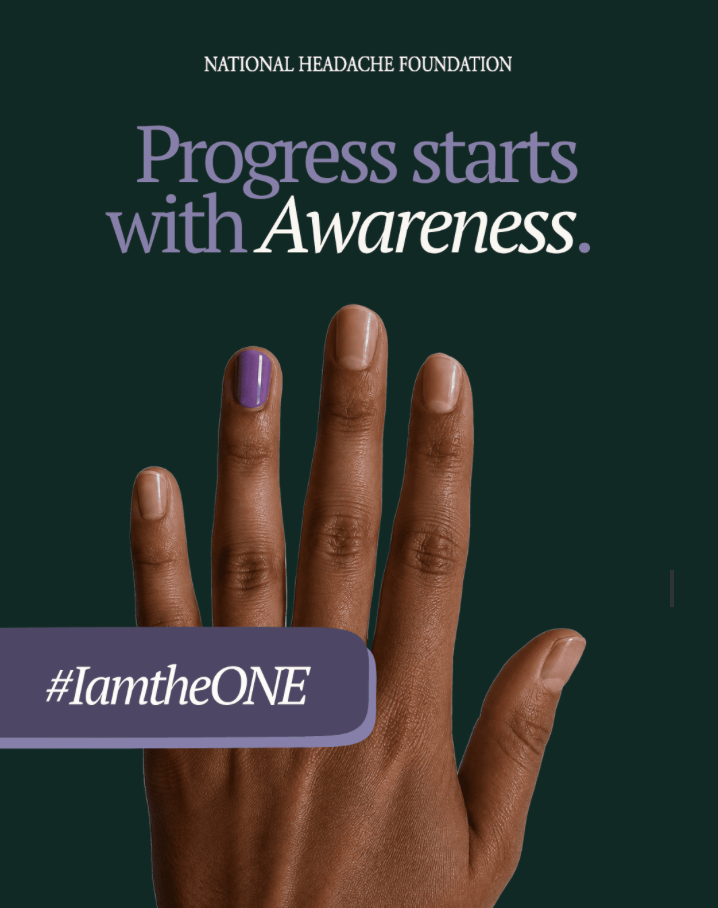
|
Some ways to support someone with a migraine
Make the environment where you are dark and quiet
Give them water so they stay hydrated
Ensuring they have all the medications they need
If they have muscle or nerve pain, give them a cold or hot pack if that helps them
Allowing them somewhere to lie down and rest or sleep for a few hours to a day
Providing snacks as some people get really hungry and others can't eat.
Ask them when they do not have a migraine about their specific symptoms, triggers and what they need when they have a migraine so that you can try and support them the best you can.
If they are unable to then advocate for them so they get the help they need.
Where to go to get help or learn more:
|


Comments